Choosing the right vinyl plank flooring can feel confusing, especially when you come across terms like 6 mil and 12 mil. You might wonder: What do these numbers mean?
How do they affect durability, appearance, and cost? If you want flooring that looks great and lasts long, understanding the difference is key. You’ll discover exactly what sets 6 mil and 12 mil vinyl planks apart, so you can make the best choice for your home or business.
Keep reading—you’ll learn the facts that can save you money and stress down the road.

Credit: www.youtube.com
Vinyl Plank Thickness Basics
Understanding vinyl plank thickness is important before choosing flooring. Thickness affects durability, comfort, and installation. Vinyl planks usually come in different thickness levels, commonly 6 mil and 12 mil. Knowing the basics helps you pick the right type for your space.
What Does Mil Mean
Mil is a measurement unit for thickness. One mil equals one-thousandth of an inch (0.001 inch). Vinyl plank thickness is often measured in mils to show the wear layer’s strength. A higher mil number means a thicker wear layer. This layer protects the vinyl from scratches and dents.
Impact Of Thickness On Performance
Thicker vinyl planks generally last longer. A 12 mil wear layer offers better resistance to damage than a 6 mil one. Thicker planks feel softer underfoot and can hide minor subfloor imperfections. Thicker vinyl may also reduce noise and provide better insulation. Thinner planks are more affordable but may wear out faster in busy areas.
Durability Factors Compared
Durability is a key factor when choosing between 6 mil and 12 mil vinyl plank flooring. The thickness of the wear layer directly affects how long the floor lasts and how well it handles daily use. Comparing these durability factors helps you pick the best option for your space.
Wear Layer Strength
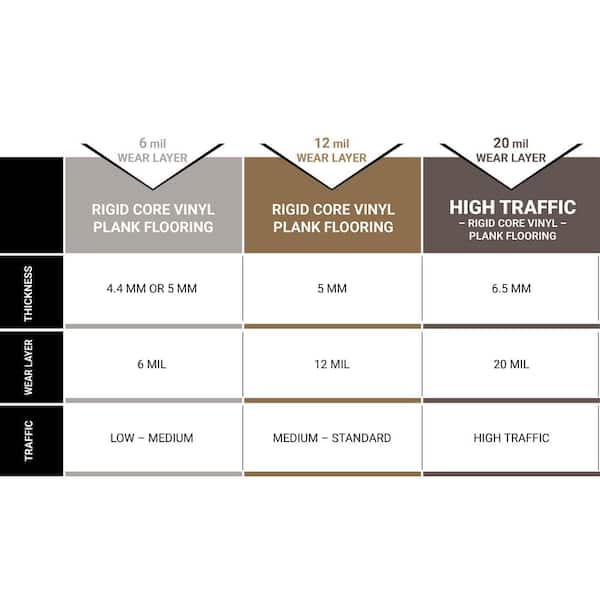
The wear layer protects the floor from damage. A 12 mil wear layer is twice as thick as 6 mil. This extra thickness means better protection against scratches and stains. Floors with 12 mil wear layers usually last longer in busy areas. The 6 mil layer works well in low-traffic rooms but wears down faster.
Scratch And Dent Resistance
Vinyl floors face scratches and dents from furniture and foot traffic. A thicker wear layer resists these better. The 12 mil layer offers stronger defense against dents and scratches. It keeps the floor looking new for years. The 6 mil layer can show wear more quickly in active homes or offices.
Waterproof Capabilities
Water resistance is important for kitchens and bathrooms. Both 6 mil and 12 mil vinyl planks are waterproof. The difference lies in durability after water exposure. The thicker 12 mil layer holds up better against standing water and spills. The 6 mil layer may be less durable in very wet areas over time.
Installation And Maintenance
Choosing between 6 mil and 12 mil vinyl plank flooring affects how you install and maintain your floors. Both thicknesses offer different experiences that matter during installation and everyday care. Knowing these differences helps you pick the right option for your home or office.
Ease Of Installation
6 mil vinyl planks are thinner and more flexible. This makes them easier to cut and fit into tight spaces. They are lighter, so handling is simple. However, thinner planks may need extra care to avoid damage during installation.
12 mil vinyl planks are thicker and sturdier. They provide more stability, which helps the floor lay flat. The extra thickness can make cutting a bit harder. These planks often require more strength to install, but they offer a solid feel underfoot.
Cleaning And Upkeep Tips
Both 6 mil and 12 mil vinyl flooring clean easily with a soft broom or vacuum. Use a damp mop and mild cleaner for daily cleaning. Avoid harsh chemicals that can damage the vinyl surface.
For 6 mil vinyl, avoid heavy scrubbing to prevent wear. Quickly wipe spills to stop stains. The thinner layer means more care is needed to keep it looking new.
12 mil vinyl handles more wear and tear. It resists scratches better and can tolerate stronger cleaning. Still, gentle maintenance extends the floor’s life and keeps it fresh.

Credit: www.reallycheapfloors.com
Cost And Value Considerations
Cost and value are key factors when choosing between 6 mil and 12 mil vinyl plank flooring. Each option offers different benefits and price points. Understanding these differences helps you make a smart choice for your budget and needs.
Price Differences
6 mil vinyl plank flooring usually costs less than 12 mil options. The thinner wear layer means lower material costs. This makes 6 mil flooring a budget-friendly choice for smaller projects or light use areas. 12 mil vinyl planks are thicker, so they come with a higher price tag. The added thickness gives better durability and protection. This often justifies the extra cost for busy rooms or homes with pets and children.
Long-term Investment
12 mil flooring lasts longer than 6 mil options. It resists scratches and dents better. This means fewer repairs and less replacement over time. Choosing 12 mil can save money in the long run. 6 mil flooring may need replacement sooner in high-traffic areas. This can increase costs over time. Think about how much wear your floor will get. Consider if spending more now will reduce future expenses.
Best Uses For 6 Mil Flooring
6 mil vinyl plank flooring offers a practical choice for many homes. It balances cost and durability well. This type of flooring suits areas with moderate use. It provides basic protection and a nice look without a high price. Knowing where to install 6 mil flooring helps make smart decisions.
Suitable Rooms
6 mil vinyl plank works best in low to medium moisture rooms. Bedrooms and living rooms are ideal spots. It fits well in guest rooms or home offices too. Avoid placing it in kitchens or bathrooms where water exposure is high. Hallways with light foot traffic also benefit from 6 mil planks.
Traffic Levels
6 mil flooring handles light to moderate foot traffic. It stands up to daily use in calm spaces. Heavy traffic areas like entryways or busy kitchens need thicker planks. This thickness wears faster under constant use or heavy furniture. Choose 6 mil for rooms with gentle activity and fewer people moving around.
Best Uses For 12 Mil Flooring
12 mil vinyl plank flooring offers extra durability and protection. This thickness provides a strong wear layer that resists scratches and dents. It suits spaces with heavy use and frequent foot traffic. Its tough surface stands up well over time, keeping floors looking fresh.
Choosing 12 mil flooring means choosing long-lasting performance. It handles daily wear better than thinner options. This makes it ideal for places where floors take a beating but still need to look good.
High-traffic And Commercial Spaces
12 mil vinyl plank flooring shines in high-traffic areas. Busy homes, offices, and shops benefit from its durability. It withstands constant walking, moving furniture, and spills. The thicker wear layer protects against scuffs and scratches.
Commercial spaces such as cafes and retail stores require flooring that lasts. 12 mil vinyl can handle crowds and heavy use without showing quick wear. It keeps a clean and professional look longer than thinner vinyl.
Maintenance is easier with 12 mil flooring too. Its tough surface resists stains and cleans up fast. This reduces downtime and keeps business areas looking neat and tidy all day.
Making The Right Choice
Choosing between 6 mil and 12 mil vinyl plank flooring can feel tricky. Both have their strengths and fit different needs. Understanding the differences helps you pick the right one for your space. This guide breaks down key points to consider for a smart choice.
Factors To Weigh
Thickness affects durability and comfort. A 12 mil plank lasts longer and feels sturdier underfoot. The 6 mil option suits low-traffic areas or temporary setups. Consider where you will install the flooring. High-traffic rooms benefit from thicker planks. Also, think about moisture levels. Thicker planks resist water better, which matters in kitchens or basements.
Personal And Budget Priorities
Budget plays a big role. Thicker vinyl costs more upfront but may save money over time. If you prefer easy installation and lower price, 6 mil is a practical choice. Your lifestyle matters too. Homes with kids or pets need tougher flooring. For rentals or short-term use, 6 mil might be enough. Balance your budget with how long you want the floor to last. This balance guides you to the right pick.
Credit: www.homedepot.com
Frequently Asked Questions
What Is The Difference Between 6 Mil And 12 Mil Vinyl Plank Flooring?
6 mil vinyl plank is thinner and less durable than 12 mil. The 12 mil option offers better wear resistance and lasts longer.
Which Vinyl Plank Thickness Is Best For High-traffic Areas?
12 mil vinyl plank is better for high-traffic spaces due to its thicker wear layer. It holds up well against scratches and dents.
Does Thicker Vinyl Plank Flooring Cost More Than Thinner Options?
Yes, 12 mil vinyl plank usually costs more because of its durability. Thinner 6 mil options are budget-friendly but less durable.
Can I Install 6 Mil Vinyl Plank Flooring In A Kitchen?
You can install 6 mil vinyl in kitchens, but 12 mil is safer. Thicker planks resist water damage and heavy use better.
Final Words
Choosing between 6 mil and 12 mil vinyl plank flooring depends on your needs. Thicker planks last longer and feel sturdier underfoot. Thinner ones cost less and work well in low-traffic areas. Consider where you will install the floor and how much use it will get.
Both options offer easy cleaning and water resistance. Think about your budget and how often you want to replace the flooring. The right choice balances durability, price, and comfort for your space. Take your time and pick what suits your home best.